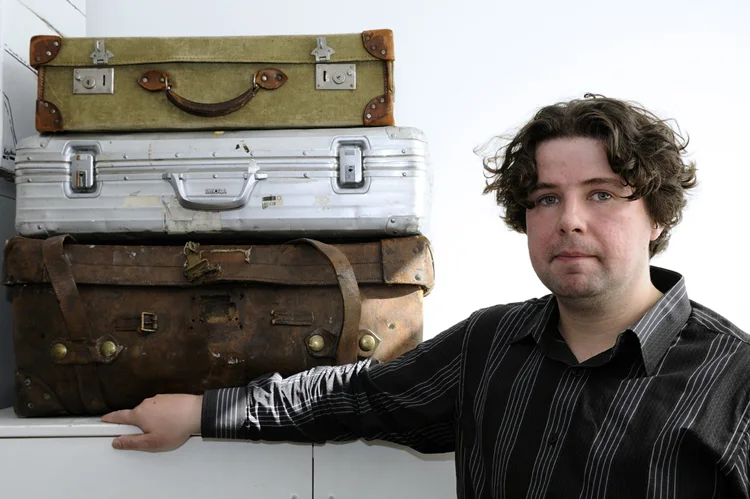
A story assembled from a partial archive
Suitcase Media CIC
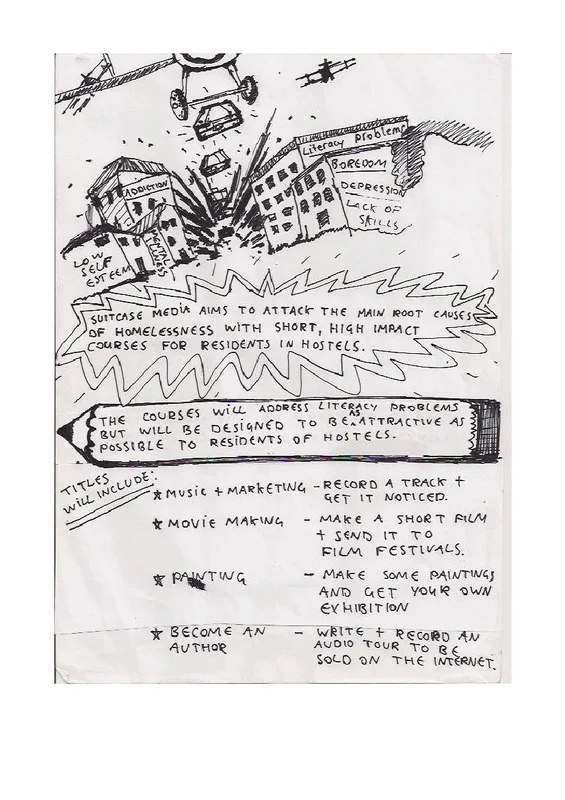
I began by approaching hostels as an artist and asking if I could work with people there. That work developed into Suitcase Media, whose central purpose was creative and technical training for people who had experienced homelessness.
Jimmy’s present-day recollection
2005
Before there was a company.
“I used to walk into homeless hostels and say to the manager: I’m an artist. I want to work with you.”
Jimmy Connelly
In 2005, in Doncaster, South Yorkshire, in the north of England, I began running art workshops in hostels, at NHS New Beginnings, in residential substance-use detox and longer-term rehabilitation services, and in other community drop-ins. My first Arts Council-funded hostel project took place in Doncaster during this period. I think of this as the beginning of the practice that later developed into Suitcase Media, although Suitcase Media CIC did not yet exist. Supporting paperwork for the Doncaster project has not yet been recovered.
A few years later, after returning to London, I saw Lee Hall’s The Pitmen Painters at the National Theatre. It hit me hard. The men in the story came from an industrial community where widespread employment gave people work, social structure and a collective identity. I was struck by the way they talked, argued, joked and carried themselves. They seemed confident and rooted in their community.
I connected what I had seen back home with the destruction and restructuring of industry during the Thatcher years. The contrast was stark. By the time I returned, much of that world of employment had disappeared. Some of the older men I met had once been fully employed, while their fathers’ generation had lived through a period of very high industrial employment. Heroin addiction had become highly visible in the communities where I was working.
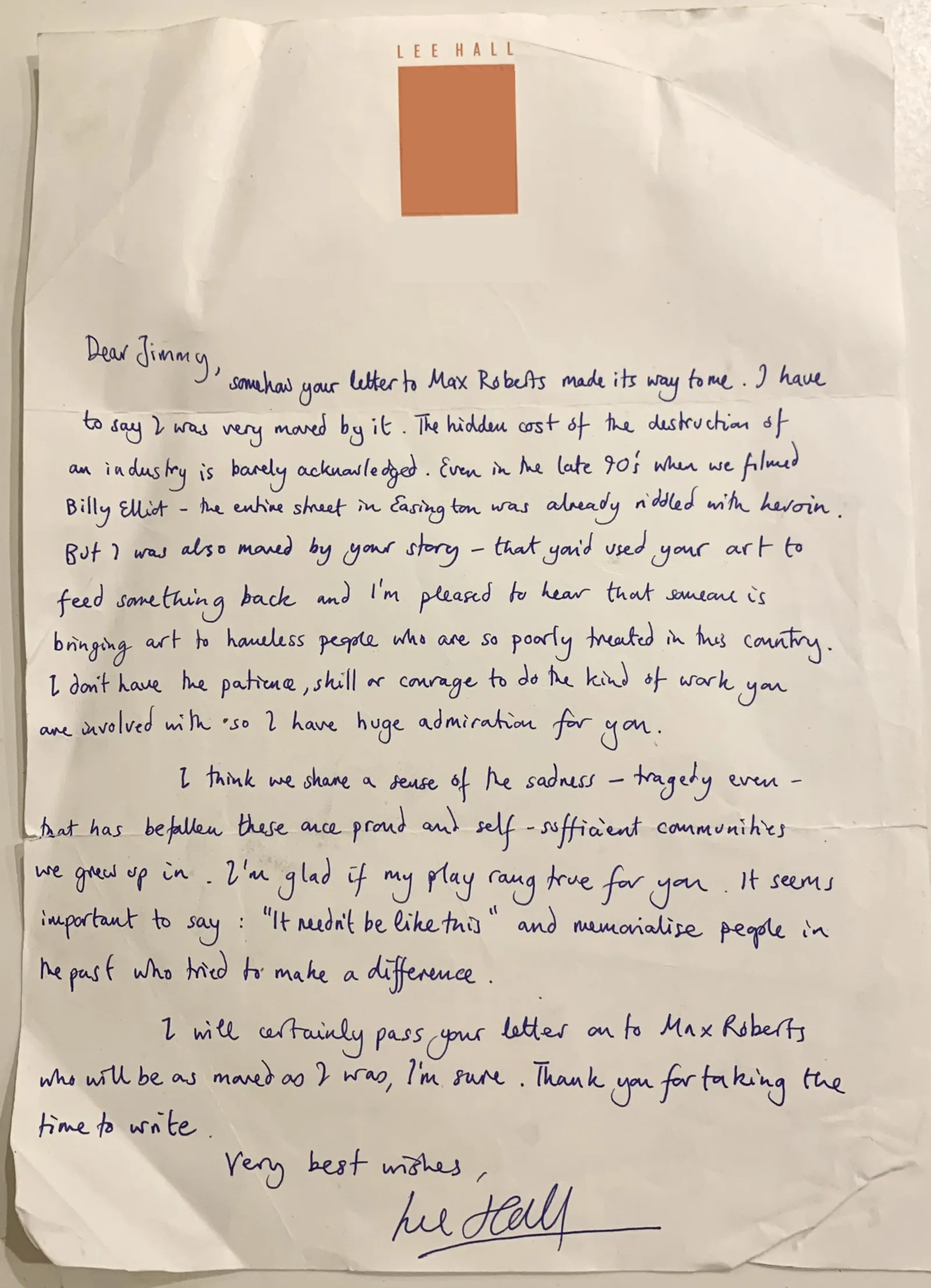
I wrote to Lee Hall after seeing the play. He wrote back. He had encountered something similar in Easington while Billy Elliot was being filmed, and wrote about heroin, the hidden cost of destroying industry, and what had happened to communities that had once been proud and self-sufficient. I had already made the connection before writing. What mattered was that he understood it and responded from his own experience.
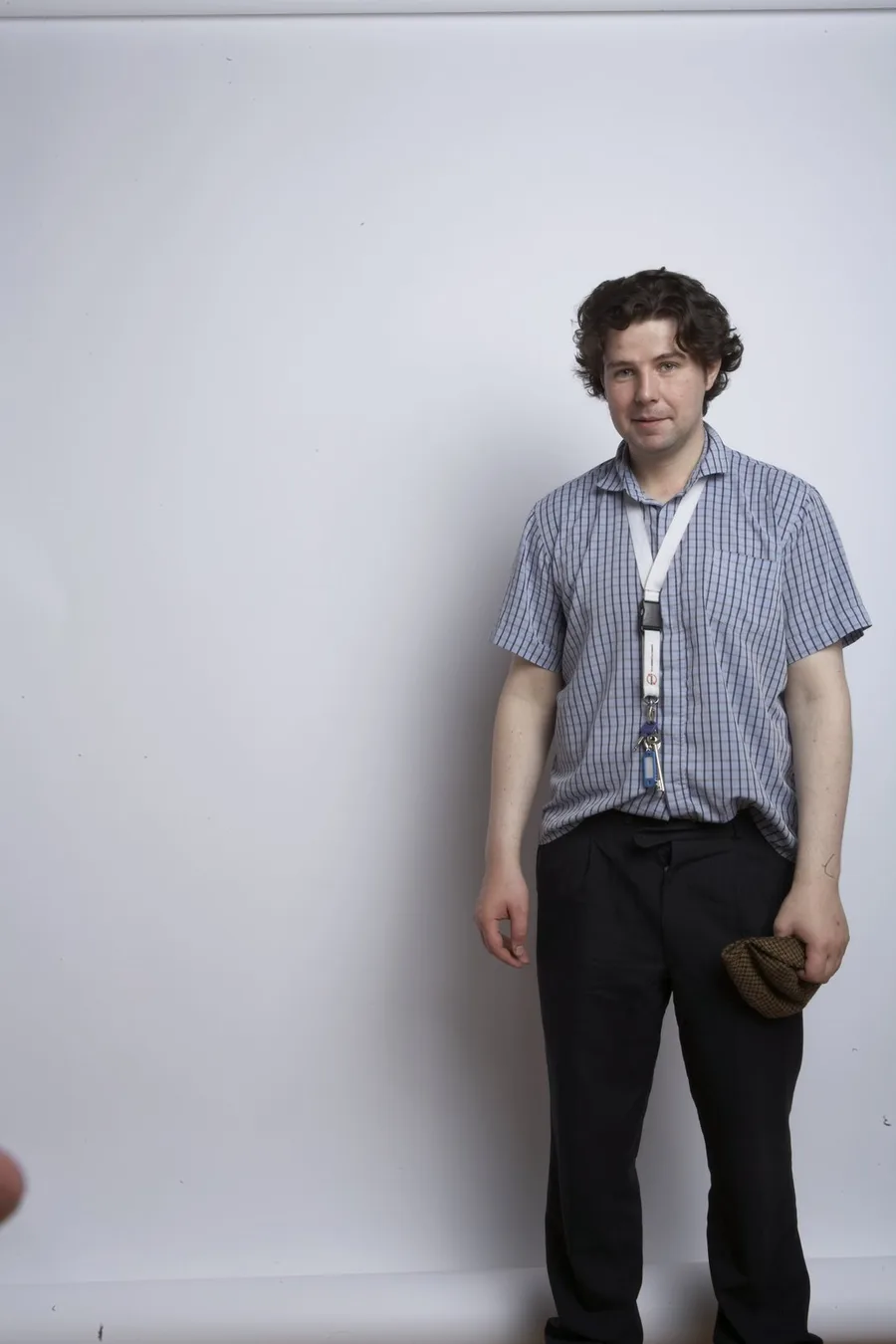
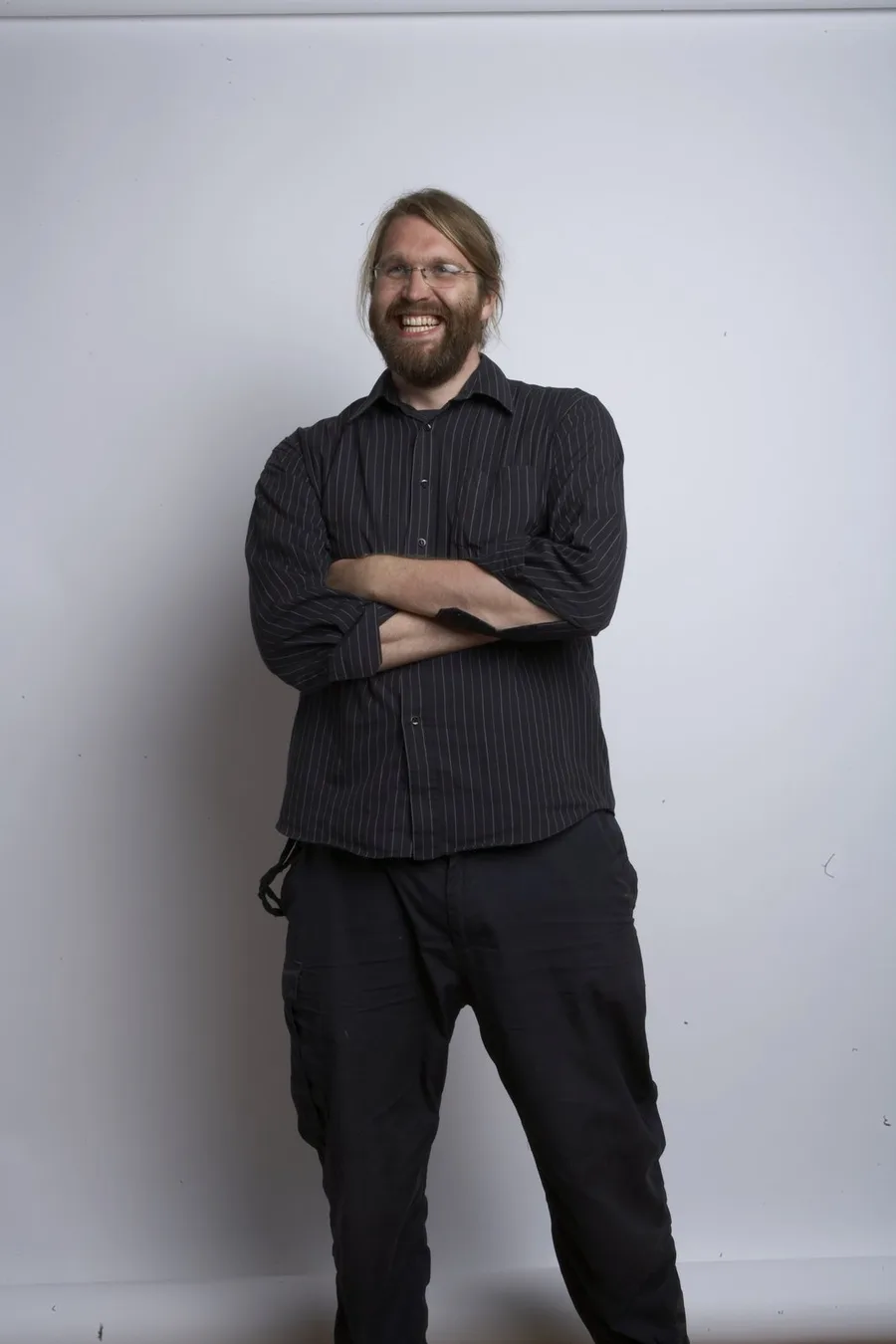
Before Suitcase Media was an organisation, I was already making work with people in hostels. My friend Ollie Bancroft came in to help at St Mungo’s Endell Street. Ollie is a brilliant painter and had experience running video workshops. We began combining art, video, multimedia and technical learning. Working together there made me think this could become something much bigger, and I started pushing for space in the St Mungo’s business incubator. A recovered contemporary website says the Endell Street multimedia workshops had been running since December 2008, with participants working in web design, video making and animation.
Training was the reason Suitcase Media CIC existed. The creative projects were part of how that training worked: people learned technical skills by making real things, while those skills made more ambitious creative work possible. Qualifications, employment-relevant skills, confidence and independence all mattered.
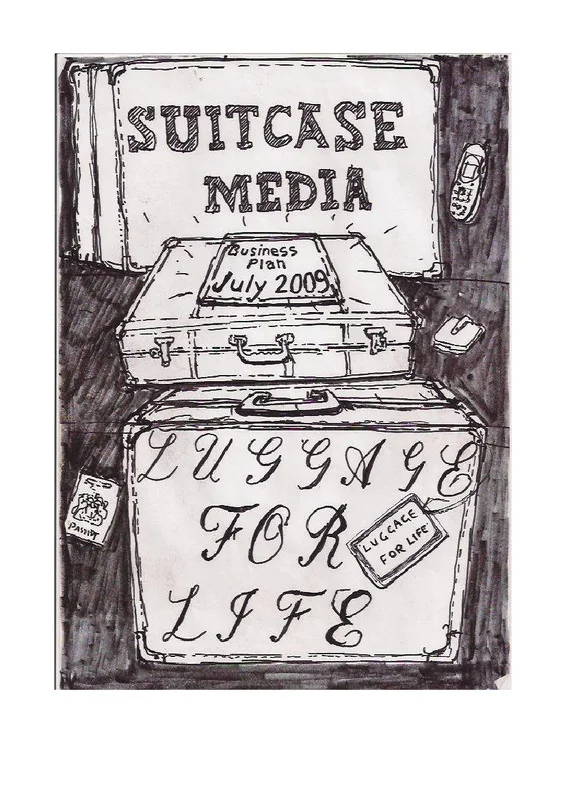
Surviving artifact · July 2009
2009
How could the work support itself?
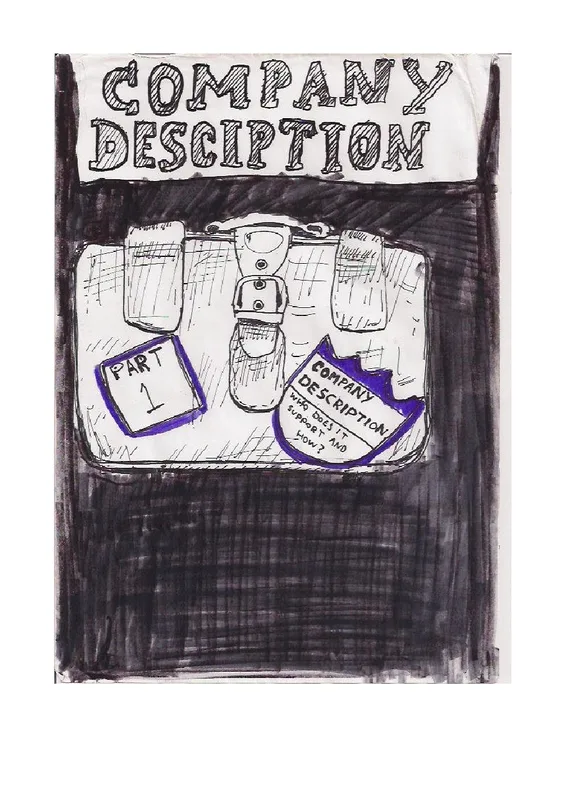
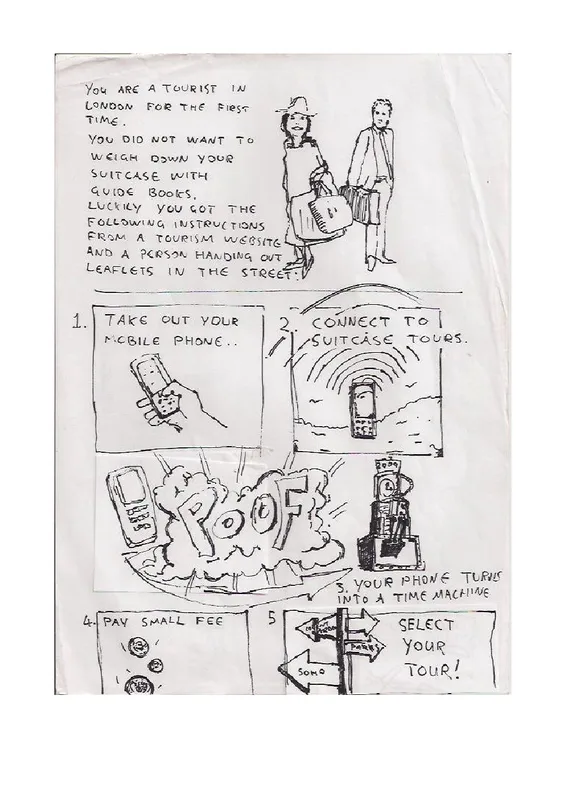
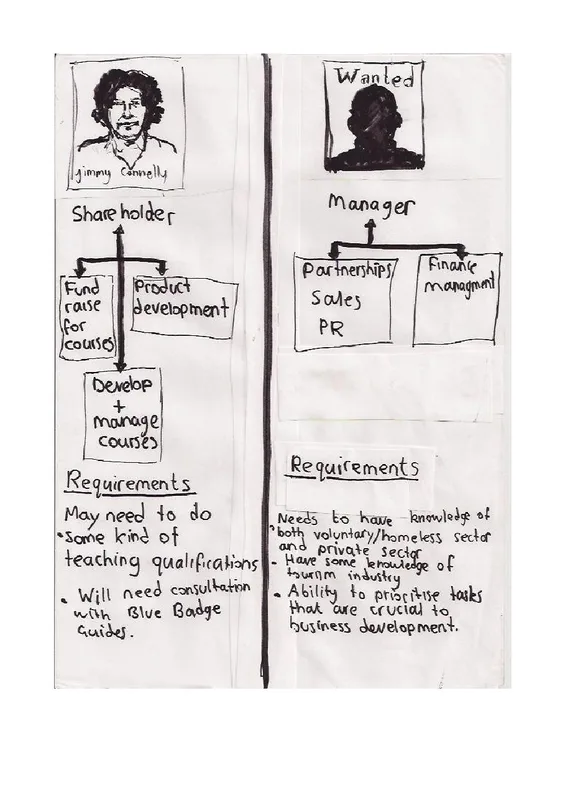
A hand-drawn business plan from July 2009 asked how the training could become sustainable. It connected creative courses for people living in hostels with audio tours to be written, recorded and sold online. Telephone, mobile internet, downloadable MP3 and player-rental delivery were proposals, not proof that every route was built.
Contemporary documentary evidence
The idea enters public view.
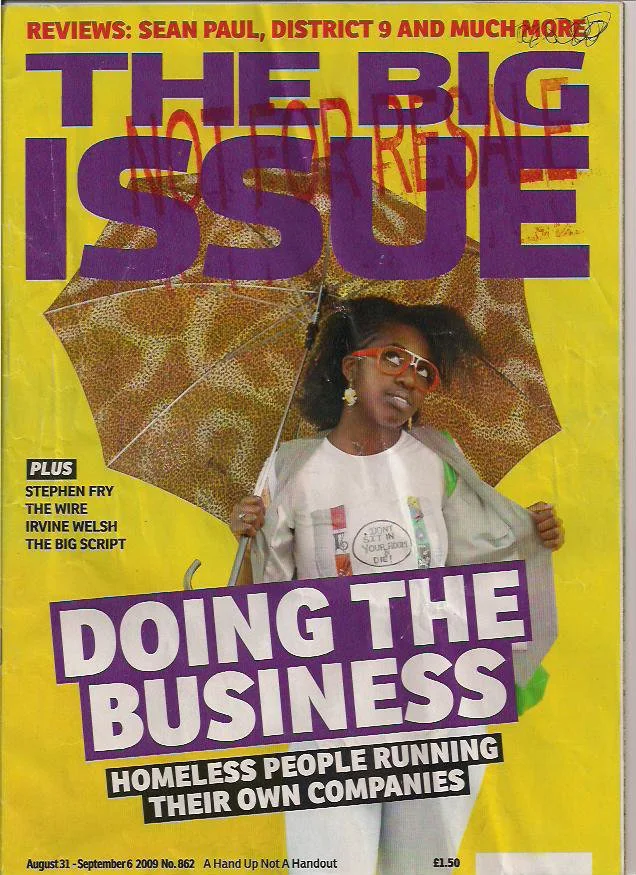
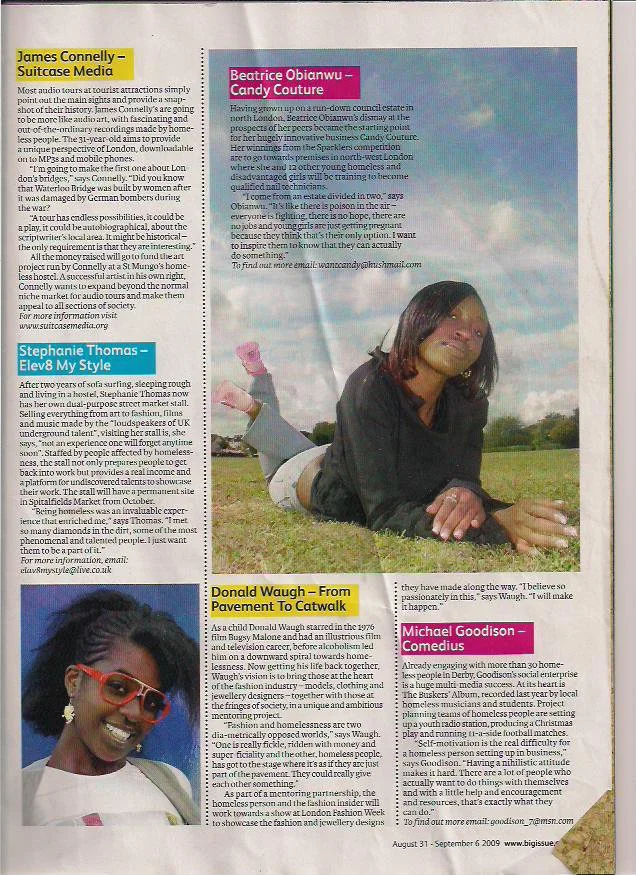
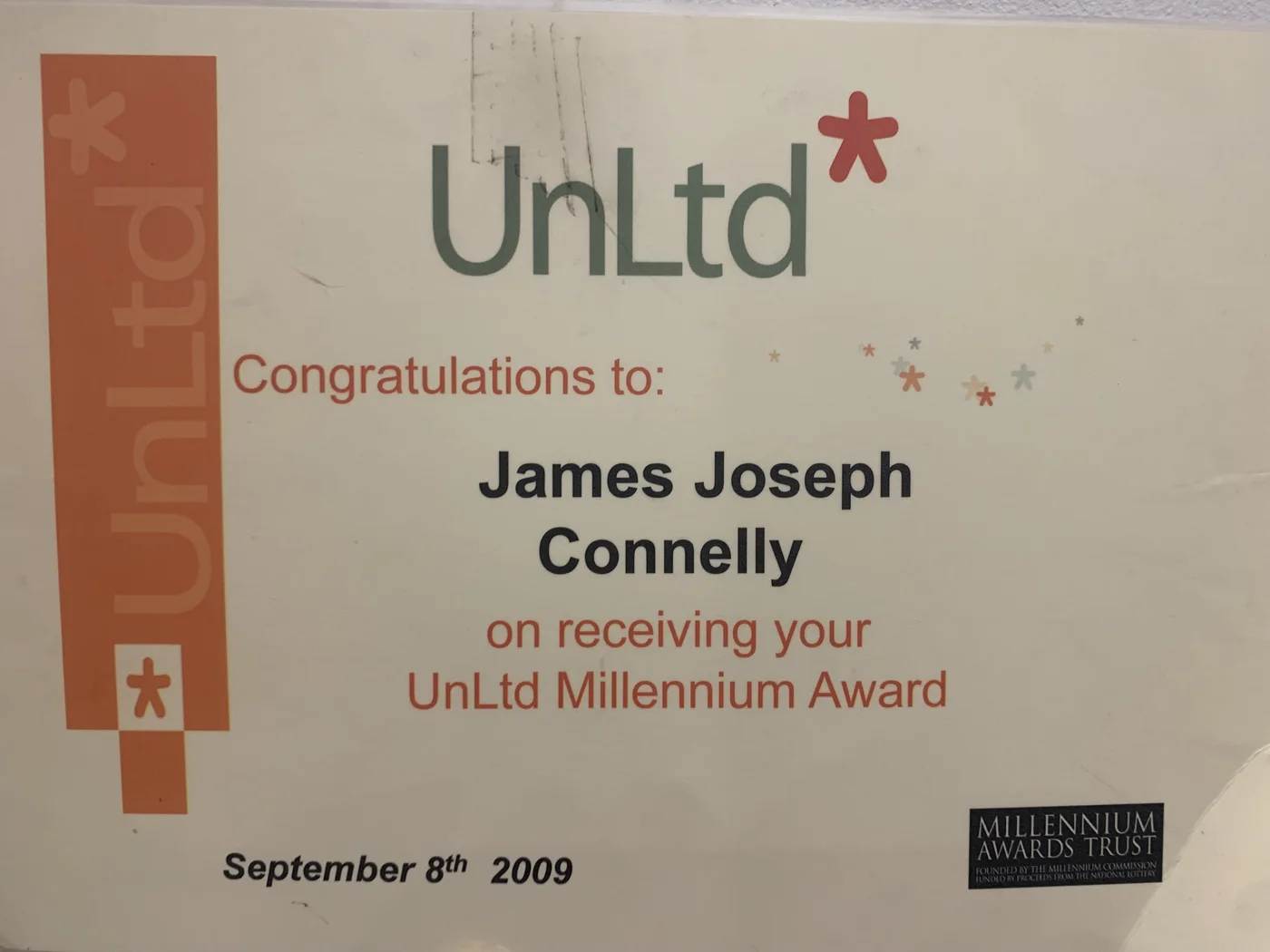
Contemporary evidence shows the idea entering public view in 2009. The Big Issue described the audio-tour concept and UnLtd support; an award certificate records an UnLtd Millennium Award on 8 September 2009.
Surviving work · date not yet verified
London Bridge, in three parts.
The audio-tour idea became an actual product. These three parts form a London Bridge tour once offered for sale through the former Suitcase Tours website, suitcasetours.co.uk. The tours connected training with making something that could be sold: the recovered historical site says many contributing guides had come through the programme. I also remember exploring whether participants might earn income from the work.
The uncompressed AIFF masters remain in the private archive. Playback uses separate AAC web derivatives.- Part 1
- Part 2
- Part 3
Verified start date · March 2010
2010
Becoming Suitcase Media CIC
Suitcase Media became a Community Interest Company in March 2010, with support from the St Mungo’s business hub. Becoming a CIC gave us a structure for what we were already doing: combining creative and technical training with real projects, qualifications, mentoring and work experience.
I pushed for Suitcase Media to have space in the Rushworth Street business incubator, and we were eventually given a base there. I remember its training-led social-enterprise model fitting the incubator’s purpose. Training was central. Real digital production and commercial work gave learning practical contexts and helped support it. The aim was to build skills relevant to employment in an unusually innovative, exciting place where people made things and learned together.
Patrik Bergstrand joined Suitcase Media in 2010 and became its main staff member. In practice, Patrik and I ran the organisation together. He brought considerable expertise in photography and technology and worked across training, volunteer coordination, photography, creative and client websites, Linux systems, networks and servers. He initially joined as a volunteer and later became a paid member of staff.
For video projects, we could sometimes draw on people I knew from the RCA. Simon Warwick Green directed work for us, while Barry Gene Murphy helped with specialist post-production. That wider production experience helped connect training to real work beyond a classroom.
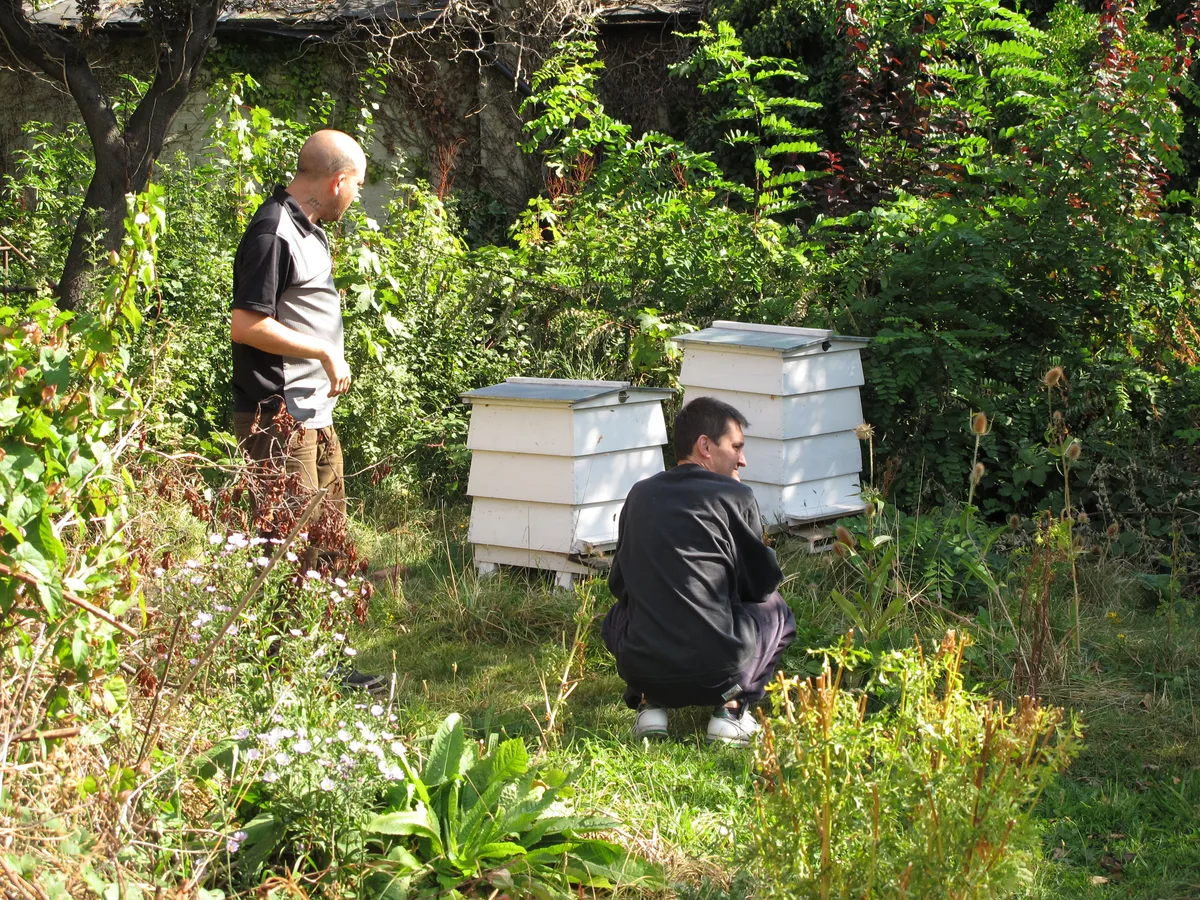
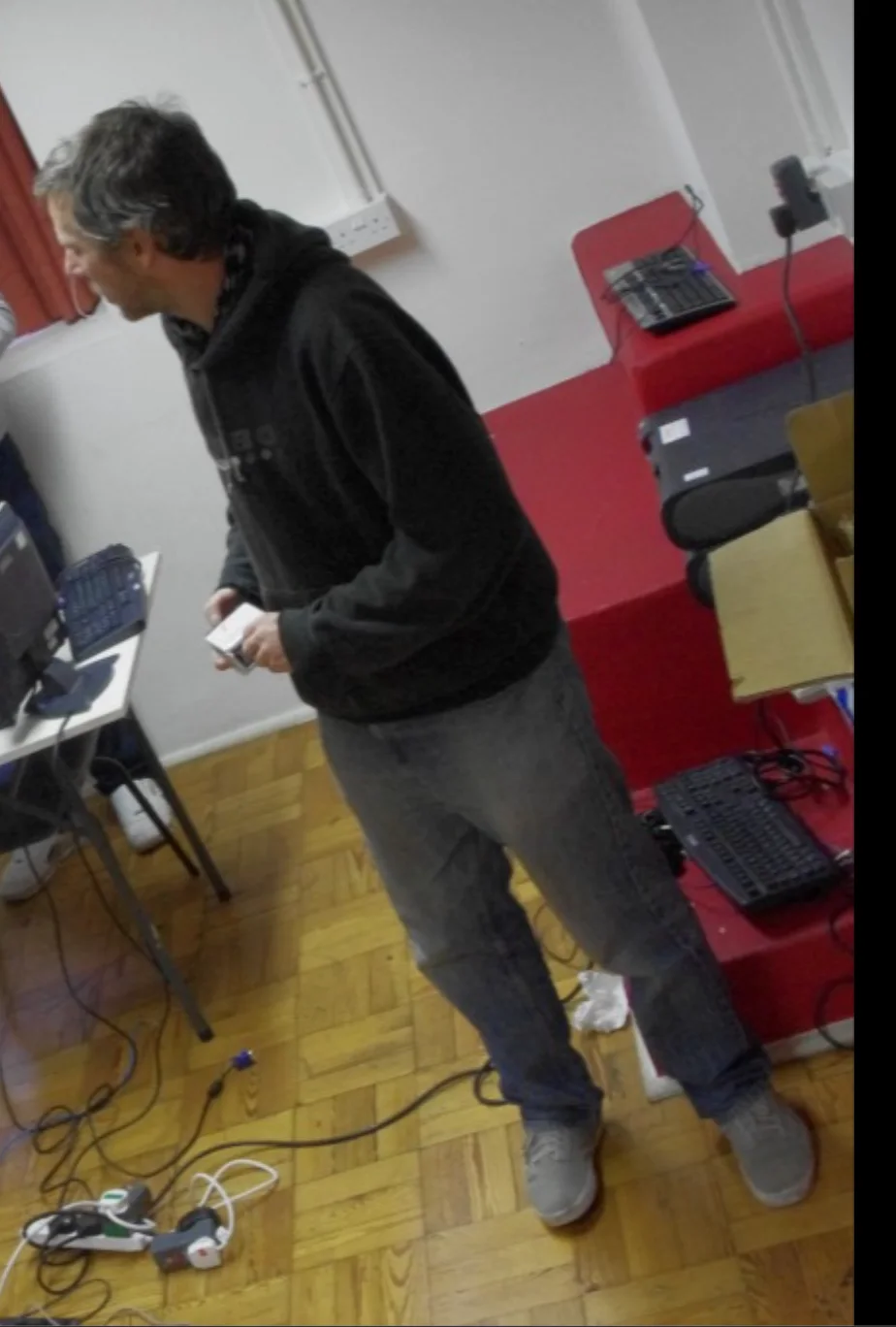
In September 2012, we ran a course for people from St Mungo’s Spring Gardens hostel. After we approached St Swithun’s, work on a church website became the practical project: recycled computers formed an improvised Linux network in the hall, while the garden supported photography and image-editing sessions.
View the formal project record
- Recorded name
- Suitcase Media Community Interest Company
- Company number
- 07193513
- Jimmy’s recorded role
- Director and Company Secretary
Participant handwriting · surviving artifact
Making and learning overlapped.
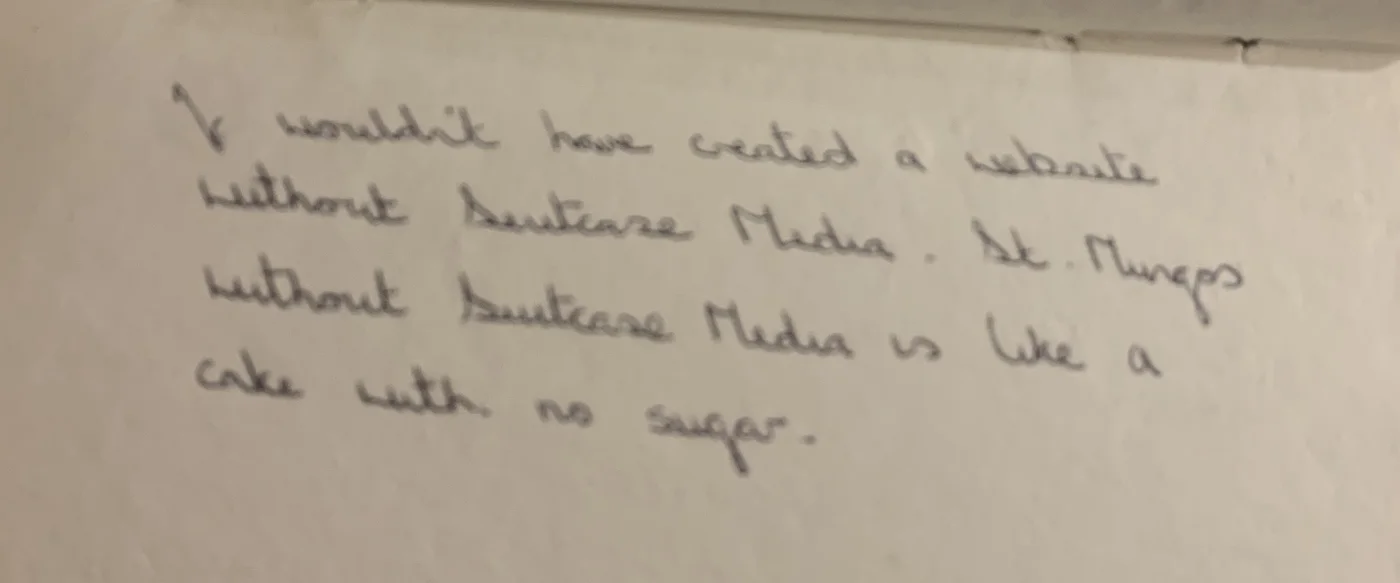
Real creative projects gave the training purpose. Art, sound, hardware, photography, computing and web design became ways to learn while making something. A surviving feedback book records what participants tried and what they wanted to do next.
“I wouldn’t have created a website without Suitcase Media.”
Participant feedback, surviving handwritten book
- Art and publishing
- Digital media
- IT and web design
- Qualifications
- Mentoring and peer support
- Work experience
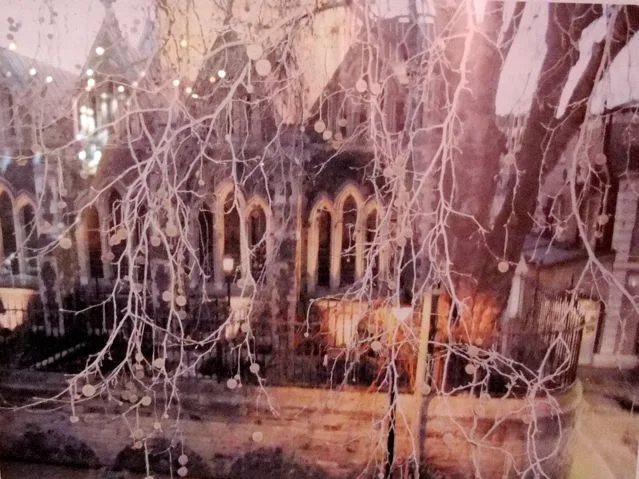
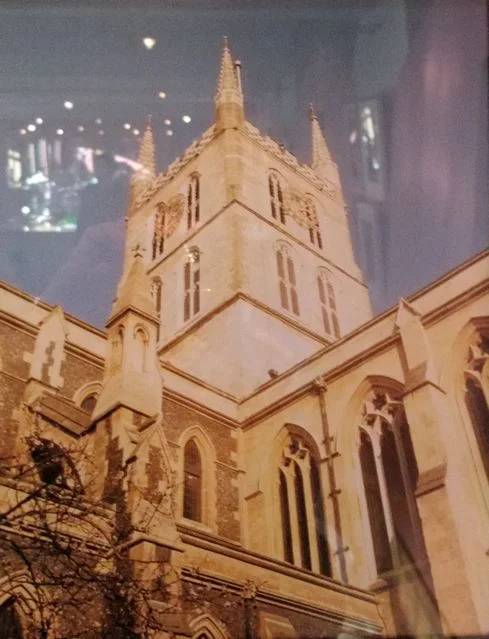
Documentary photographs · 12 April 2011
2011
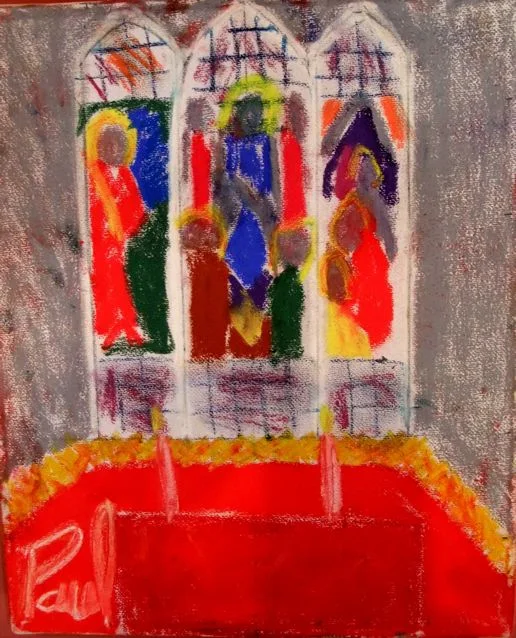
Art at Southwark Cathedral.
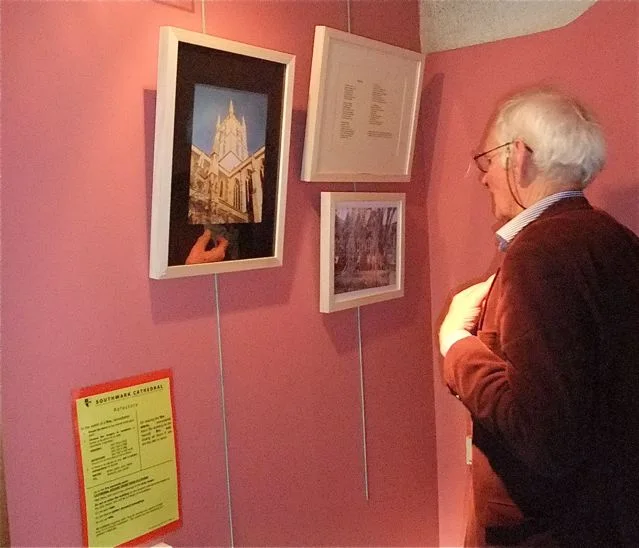
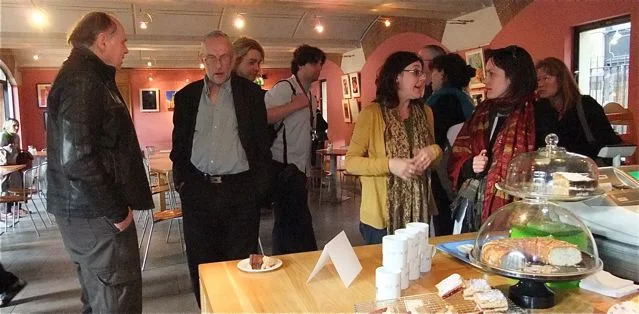
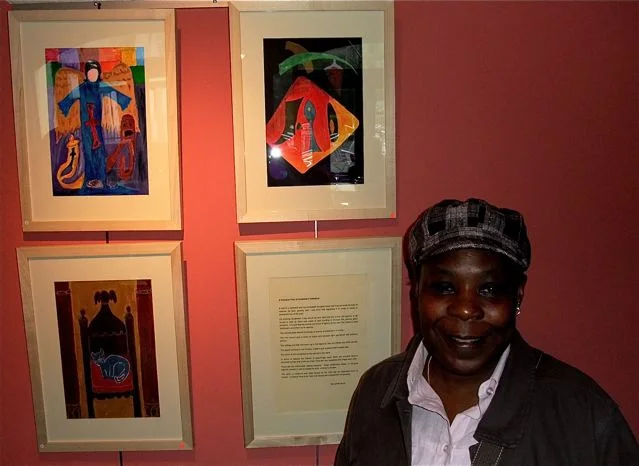
We organised an exhibition of participants’ artwork at Southwark Cathedral, giving work from the wider creative and training environment a public destination. Embedded metadata dates this documentary sequence to 12 April 2011.
Recovered recording · 2011
Homeless Diamonds Arts Magazine
I travelled around St Mungo’s hostels recording musicians and performers who contributed to Homeless Diamonds. We brought the recovered recordings together on this CD.
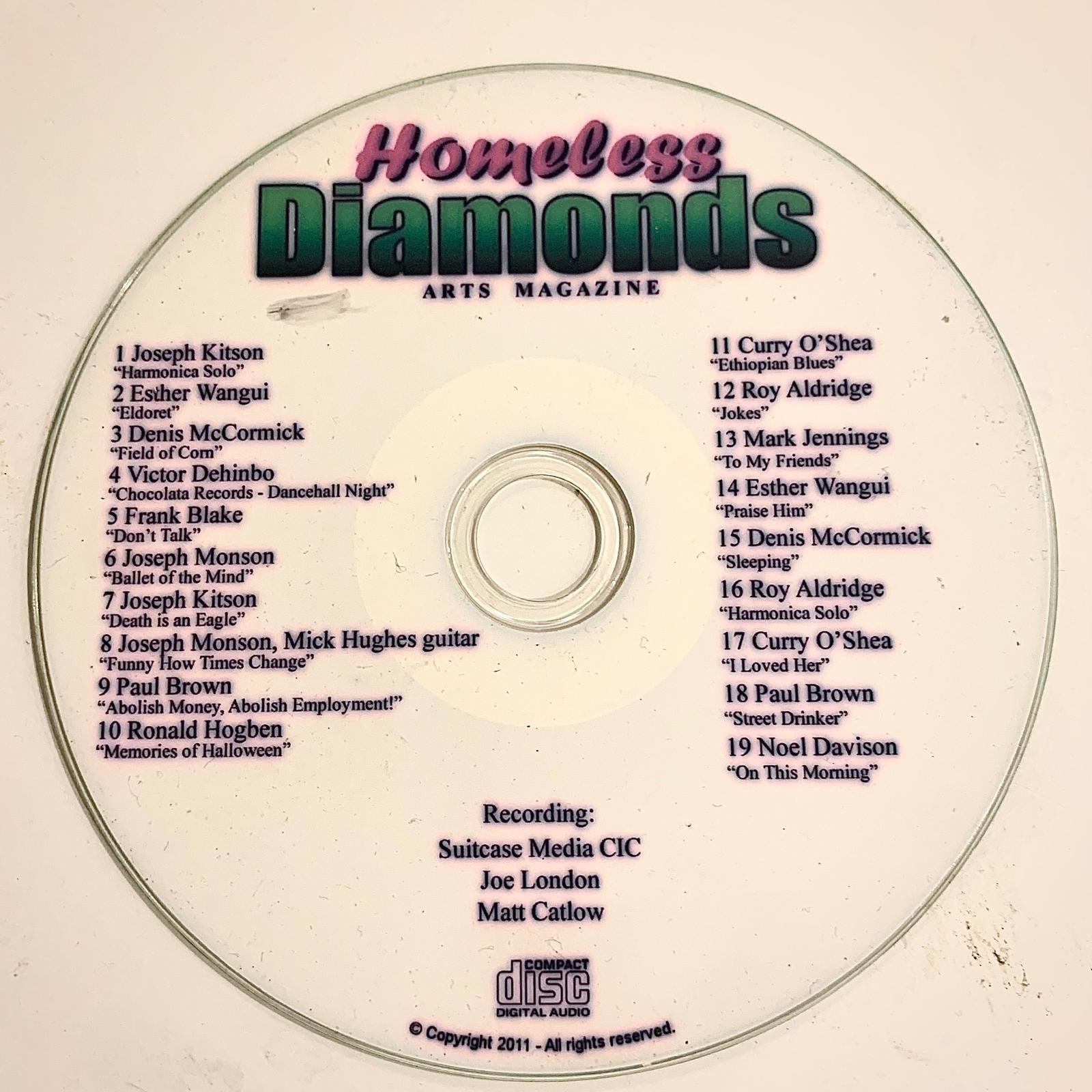
- 01Joseph KitsonHarmonica Solo
- 02Esther WanguiEldoret
- 03Denis McCormickField of Corn
- 04Victor DehinboChocolata Records - Dancehall Night
- 05Frank BlakeDon’t Talk
- 06Joseph MonsonBallet of the Mind
- 07Joseph KitsonDeath is an Eagle
- 08Joseph Monson, Mick Hughes guitarFunny How Times Change
- 09Paul BrownAbolish Money, Abolish Employment!
- 10Ronald HogbenMemories of Halloween
- 11Curry O’SheaEthiopian Blues
- 12Roy AldridgeJokes
- 13Mark JenningsTo My Friends
- 14Esther WanguiPraise Him
- 15Denis McCormickSleeping
- 16Roy AldridgeHarmonica Solo
- 17Curry O’SheaI Loved Her
- 18Paul BrownStreet Drinker
- 19Noel DavisonOn This Morning
Commercial work · recollection and surviving commission
Paid work helped sustain training.
Suitcase Media CIC took paid website and video commissions as part of an attempt to make the training financially sustainable. Its recovered historical website stated that profits would be reinvested in life-skills, history, art and multimedia courses in hostels. I remember commercial income helping to support training with St Mungo’s, although it was not the programme’s only source of support.
Surviving client website
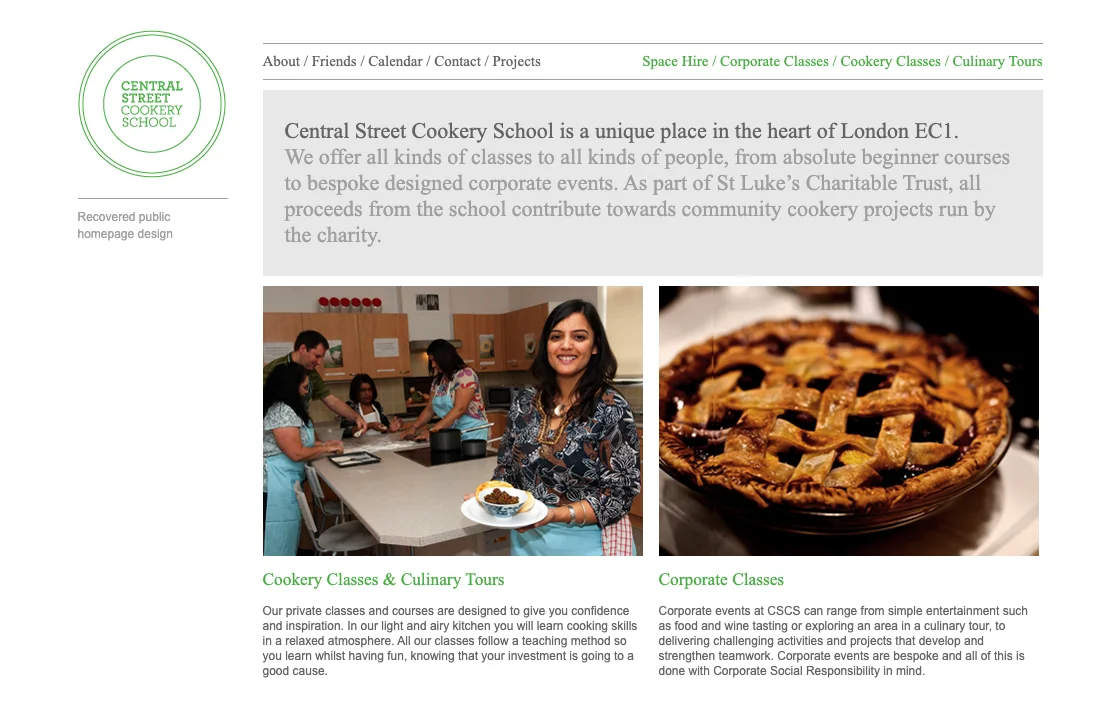
Central Street Cookery School
Central Street Cookery School is one surviving example of the paid client work intended to support Suitcase Media CIC’s training. Part of St Luke’s Charitable Trust, its recovered site included events, bookings and payments; the school stated that its proceeds supported community cookery projects.
Commissioned film · 2012
St Mungo’s Identification and Brief Advice pilot film
By 2012, the relationship with St Mungo’s extended beyond workshops. Suitcase Media CIC was commissioned to produce this film documenting a pilot alcohol-intervention programme.
Content note: The film contains personal discussion of alcohol dependency, recovery, bereavement, prison, mental health and relapse.
Programme results reported by the film
These are results of the programme documented by Suitcase Media CIC, not outcomes attributed to Suitcase Media CIC.
- 132 St Mungo’s clients screened
- 46 brief-advice sessions
- 9 extended brief interventions
- 9 referrals for specialist alcohol treatment
Achieved outcome recorded in 2012
Skills, qualifications, next steps.
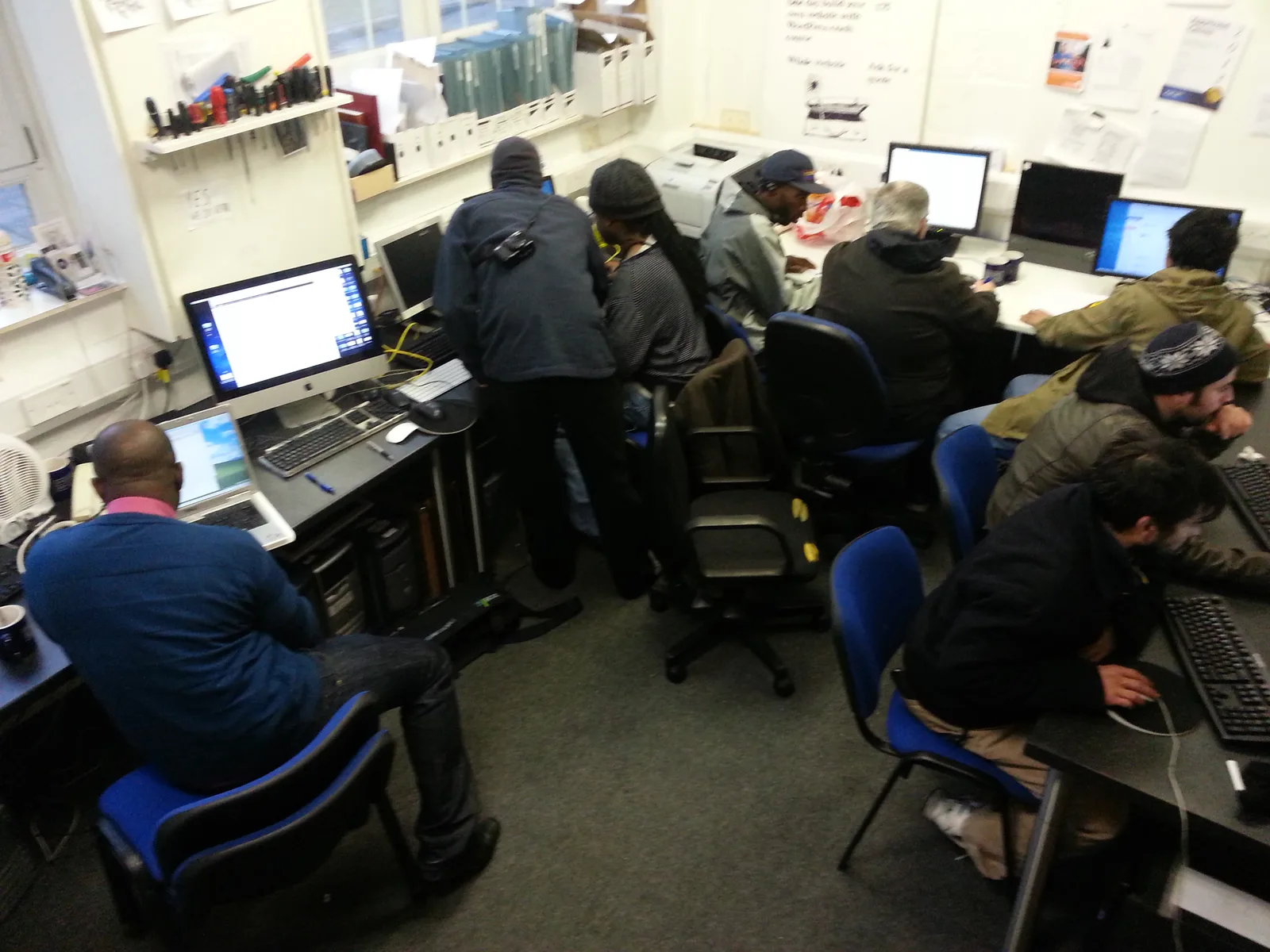
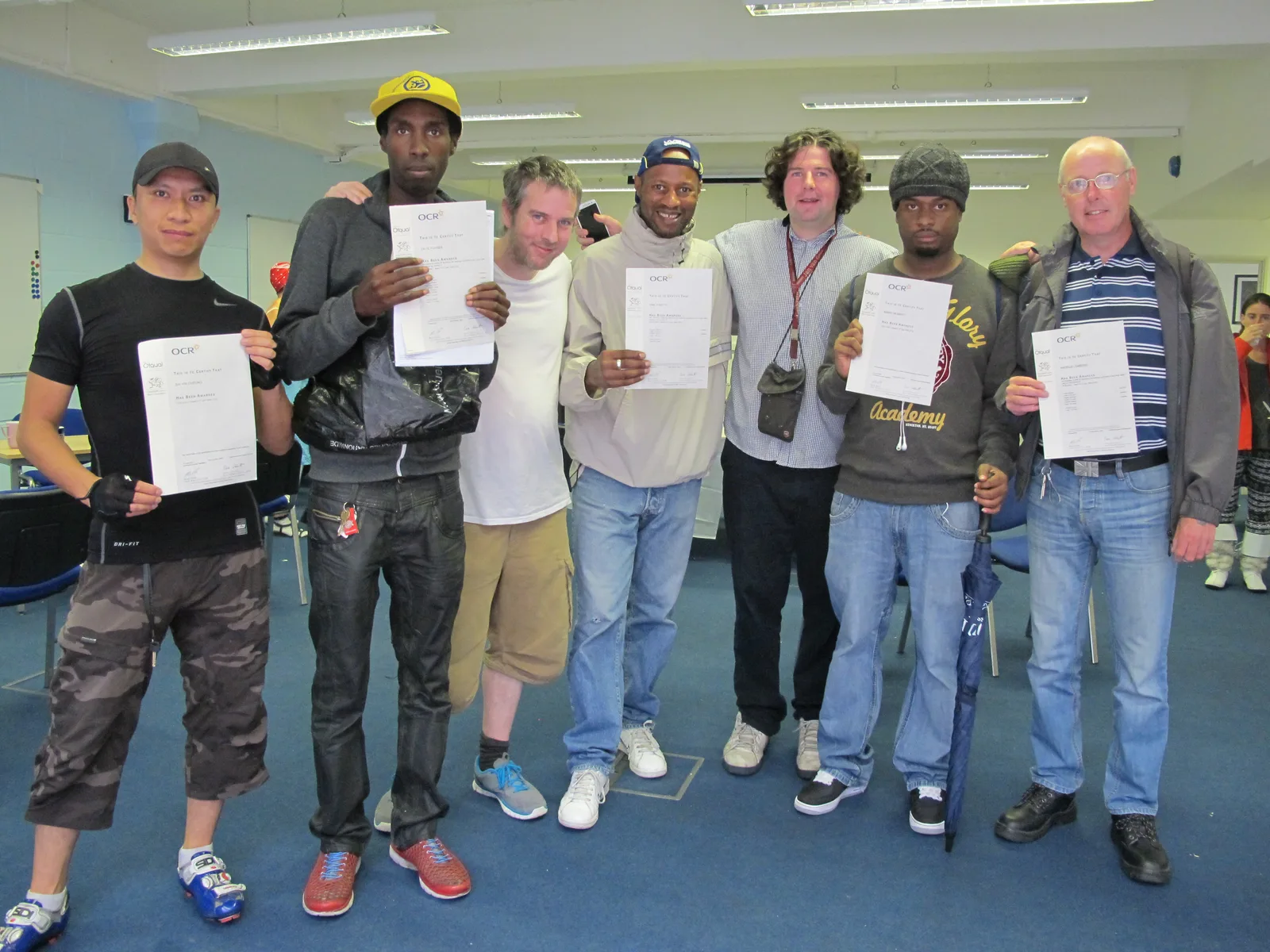
Training was Suitcase Media CIC’s central purpose. We received referrals and ran substantial structured creative and technical courses, with people working towards accredited qualifications. A 2012 application records two years of IT workshops, referrals from St Mungo’s, workshops described as oversubscribed, and an initial seven OCR ITQ Level 1 qualifications. That is an early documented result, not the total number of people trained or qualified.
At the busiest point, I remember around 60 people a year coming through the courses, with referrals from organisations across London. I also remember many more people gaining qualifications after the initial documented group. I have not yet recovered the records that would verify those numbers.
Alongside the courses, we ran drop-in days. People came back to work on their own projects, use the computers, help one another and share skills. Structured training and informal peer learning were different parts of the same working environment. Computers donated by local companies and refurbished by volunteers helped us assemble that environment.
View the proposed 2012 funded programme
£6,115 awarded in principle from the Sport Relief–Evening Standard Dispossessed Fund, Managed by the London Community Foundation. An award in principle does not prove that every proposed activity was completed.
- Two groups of eight participants
- Eight full days over eight weeks
- Eight OCR modules
- A museum visit for audio, video and graphic material
- A recycled computer for each delegate
- At least ten hours of web-design mentoring per participant
- Buddy mentoring after participants completed their own websites
- A projected total of 32 participants
Present archive
What has not yet come back.
This is a partial archive. Much of Suitcase Media CIC’s work, including websites, films, workshops, commissions and other projects, has not yet been recovered. More will be added as it turns up.
Looking back
A wider artistic context
Suitcase Media was part of my socially engaged art practice, bringing creative work, technical training, qualifications and paid commissions into homeless hostels.
Looking back, I recognise affinities with Jeremy Deller’s collaborative social histories and Theaster Gates’s joining of culture, education and enterprise.